
THE PRICE OF SOVEREIGNTY AND THE GHOST OF OLONGAPO
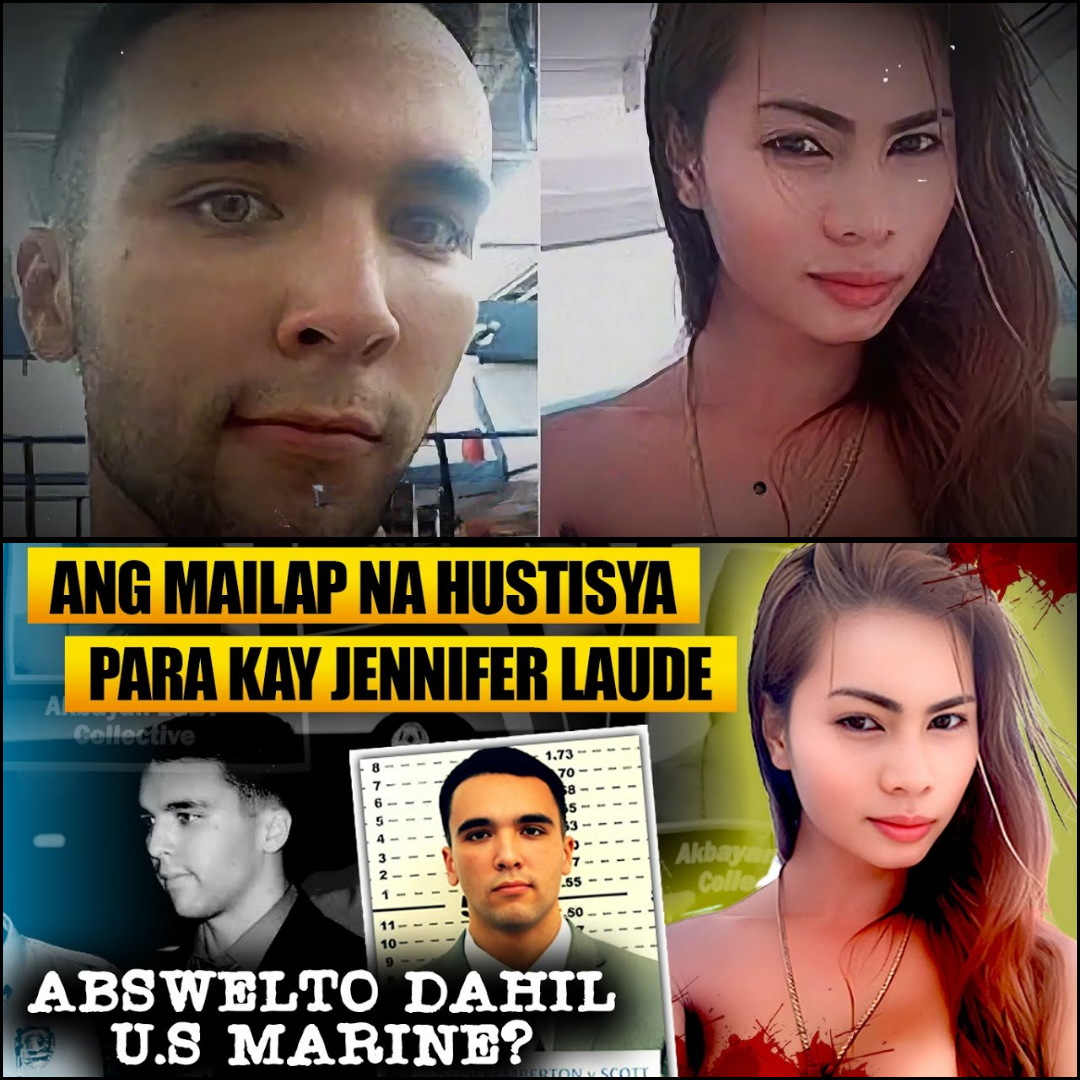
I. Prologue: The Life of Jennifer Laude
Jennifer Laude was born Jeffrey Laude in Tacloban City, Leyte. From a young age, she knew her truth. Supported by her mother, Huli, and her sisters, Michelle and Marilou, Jennifer transitioned and lived her life with bravery in a society that often struggled to accept her. She was a daughter who worked double shifts at a beauty parlor to send money home and a student of hotel and restaurant services who dreamed of seeing the world as a flight attendant.
In 2012, she found love with Marc Sueselbeck, a German national. They were engaged to be married, planning a future in Europe where they felt their relationship would be more accepted. By October 2014, they were preparing for a wedding in Thailand. Jennifer was at the peak of her happiness—responsible, loved, and hopeful.
II. The Night of October 11, 2014
The tragedy began at the Ambyanz Nightlife Club in Olongapo City. Jennifer and her friend Barbie were enjoying a night out when they met a group of US Marines who were in the country for the PH-US Balikatan joint military exercises. Among them was Private First Class Joseph Scott Pemberton, a 19-year-old anti-tank missile operator from Massachusetts.
Eyewitnesses, including Barbie and motel staff, saw Jennifer and Pemberton check into the Celzone Lodge at approximately 11:30 PM. Barbie left shortly after to give them privacy. About thirty minutes later, Pemberton was seen leaving the room alone, leaving the door ajar. He walked out of the lodge with a stoic expression and returned to his ship, the USS Peleliu.
At 11:45 PM, a room attendant entered the room to clean. They found Jennifer. She was naked, partially covered by a bedsheet, with her head forced into the toilet bowl. She was de@d.
III. The Forensic Reality vs. The “Panic” Defense
The autopsy report was gruesome. Jennifer died of asphyxia by drowning. There were clear signs of manual strangulation—bruises on her neck and chest. Forensic evidence found Pemberton’s DNA on condoms at the scene and on Jennifer’s b0dy.
Pemberton’s defense team, led by Rowena Flores, admitted he choked her but claimed it was a “heat of passion” reaction. Pemberton testified that he felt “defrauded” upon realizing Jennifer was transgender. He claimed she slapped him, and he placed her in a “headlock” until she went limp. He insisted he didn’t mean to k*ll her, merely that he “left her unconscious” in the bathroom.
However, the prosecution argued cruelty and treachery. Forcing a victim’s head into a toilet bowl while they are already semi-conscious or strangled is not a “reflexive” action; it is an act of dehumanization.
IV. The Visiting Forces Agreement (VFA) and “Special Treatment”
The case immediately became a diplomatic nightmare. Under the Visiting Forces Agreement (VFA), the US maintains custody over its personnel even when they are tried in Philippine courts.
Detention: Instead of being held in a regular Philippine jail like the New Bilibid Prison, Pemberton was detained in a specially constructed, air-conditioned shipping container inside Camp Aguinaldo, the headquarters of the Armed Forces of the Philippines.
Sovereignty: Protesters filled the streets of Manila and Olongapo, viewing Pemberton’s detention as a violation of Philippine sovereignty. They argued that if an American k*lls a Filipino on Filipino soil, they should be subject to Filipino prison conditions.
V. The Verdict and the 2020 Absolute Pardon
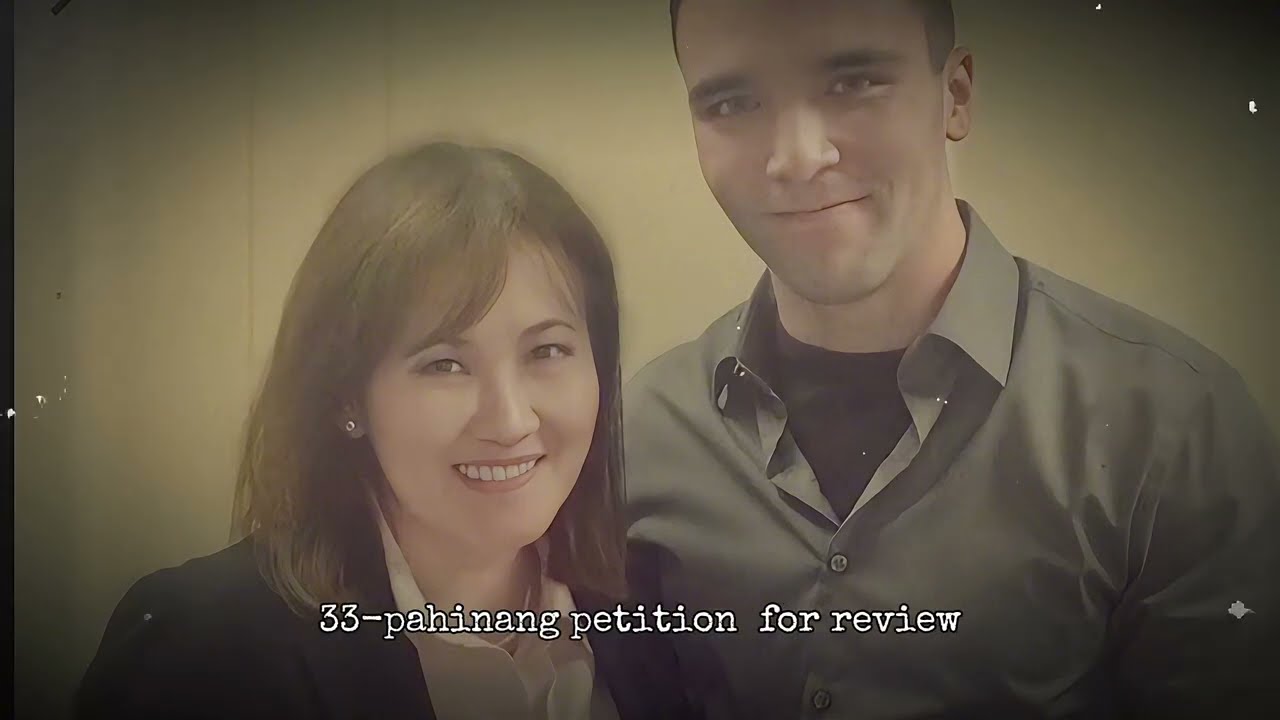
In December 2015, the Olongapo Regional Trial Court found Pemberton guilty—but not of m*rder. He was convicted of Homicide. The judge cited Jennifer’s gender identity as a “mitigating factor,” suggesting Pemberton’s “confusion” reduced his criminal liability. He was sentenced to 6 to 12 years (later reduced to 10).
The final shock came on September 7, 2020. President Rodrigo Duterte, who had previously criticized US intervention, granted Pemberton an Absolute Pardon. The pardon wiped out Pemberton’s remaining sentence and the controversy surrounding his “Good Conduct Time Allowance” (GCTA). Duterte justified the move by saying Pemberton was not treated fairly because his good conduct wasn’t properly recorded.
The LGBTQ+ community, human rights advocates, and Jennifer’s family were devastated. “This is a slap in the face of every Filipino,” said Attorney Harry Roque, who had once served as the Laude family’s lawyer before becoming Duterte’s spokesperson.
VI. Conclusion: The Legacy of Jennifer Laude
Jennifer Laude was deported to the US on September 13, 2020, as a free man with $60,000 in back pay from the US military. Jennifer Laude remains in a grave in Olongapo.
Her de@th, however, was not in vain. It led to:
Increased LGBTQ+ Visibility: The case forced the Philippines to confront its deep-seated prejudices against transgender individuals.
Legal Precedents: It highlighted the “Transpanic Defense” as a discriminatory legal loophole that needs to be closed.
VFA Scrutiny: It remains the primary example cited by those calling for the termination or renegotiation of military agreements with the US to ensure true judicial equality.
Jennifer Laude’s story is a reminder that the fight for justice is often a fight against the convenience of powerful nations. She was a daughter, a sister, and a fiancée who lost her life because of who she was. Her name continues to be a rallying cry for “Hustisya para kay Jennifer” and a demand that no life be treated as a disposable pawn in international diplomacy.
News

Ang Mafia Boss at ang Katulong: Isang Gabi ng Pagtataksil, Pagpapasuso, at Sikretong Nagpabago sa Isang Madilim na Imperyo! Tunghayan kung paano nailigtas ng isang ina ang sanggol na hindi sa kanya sa gitna ng panganib at lupit ng Chicago Underworld.
Kabanata 1: Ang Alingawngaw sa Dilim Sa loob ng naglalakihang pader ng mansyon ni Matteo Reichi, ang pinakamabagsik na mafia…

SA LOOB NG 72 ORAS, TATLONG BALI NA RIBS, AT ISANG LUNG NA PUNO NG DUGO, NAGPANGGAP SI MIA NA OKAY LANG ANG LAHAT—HANGGANG SA BUMAGSAK SIYA SA BISIG NG PINAKAMAPANGANIB NA DEMONYO NG NEW YORK NA SI MATTEO VALENTE!
KABANATA 1: ANG PAGGUHO NG ISANG ANINO Tatlong araw. Pitumpu’t dalawang oras. Apat na libo, tatlong daan at dalawampung minuto…

Isang dukhang tagalinis, isang malupit na mafia boss, at isang maysakit na sanggol: Paano babaguhin ng isang pagkakamali ang tadhana nila sa gitna ng malamig na gabi sa New York? Tuklasin ang kuwentong magpapaiyak at magbibigay-pag-asa sa inyo sa gitna ng kadiliman at mga lihim.
Kabanata 1: Ang Bulong sa Gitna ng Unos Sa gitna ng malupit na taglamig sa New York, ang bawat hininga…

Pulis, Nagulat nang Makita ang Sariling Anak na 6-anyos na Pinahihirapan sa Gitna ng Nyebe! Ang Nakatagong Katotohanan sa Likod ng pasan-pasan niyang Kahoy ay Dudurog sa Inyong Puso at Magpapakulo ng Inyong Dugo. Isang Rebelasyong Hindi Ninyo Malilimutan!
Kabanata 1: Ang Pasabog ng Katotohanan sa Gitna ng Nyebe Sa isang abuhing hapon ng taglamig, tila bumibigat ang bawat…

HINDI SIYA DAPAT NARITO: Ang Misteryosong “Maintenance Man” na Nakatuklas sa Madilim na Lihim ng 10th Floor — Isang Makapigil-hiningang Kuwento ng Hustisya, Kapangyarihan, at ang Katotohanang Pilit Itinatago sa Likod ng mga Saradong Pintuan ng Isang Higanteng Gusali sa Pilipinas!
KABANATA 1: ANG ANINO SA DILIM NG EMPIRE Hindi siya dapat nadoon sa palapag na iyon. Ang pinto ng supply…

Isang Tawag sa Madaling-Araw: Sikretong Pag-ibig, Mafia, at ang Gabi na Nagpabago sa Lahat!
Kabanata 1: Ang Tawag sa Kalagitnaan ng Gabi Ang nakakairitang tunog ng aking cellphone ang humila sa akin mula sa…
End of content
No more pages to load